2, 12 Every firstborn man or beast must be consecrated to me. It is mine.
13 Every firstborn donkey must be redeemed with a lamb. If you don't redeem it, you must break its neck. And you must redeem all your male firstborn children.
14 When your son asks you why you're doing this, say to him, Because when God brought us out of Egypt, he killed all of their firstborn sons and animals. So I sacrifice to God all of my firstborn animals, and I redeem all my firstborn children.
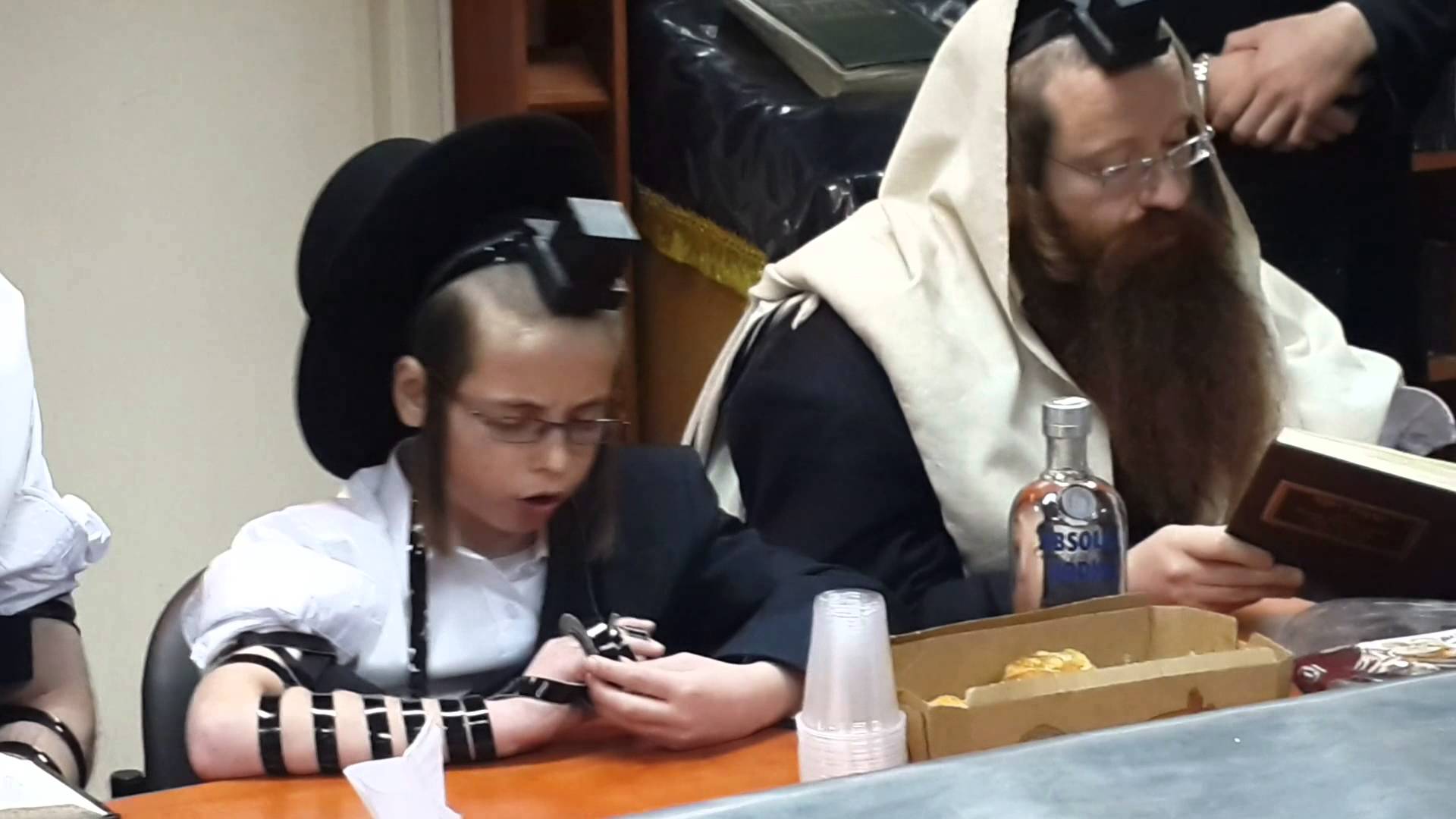
9, 16 It will be a sign on your hand and a memorial between your eyes, so God's law will be in your mouth.
Phylactery of hand and forehead
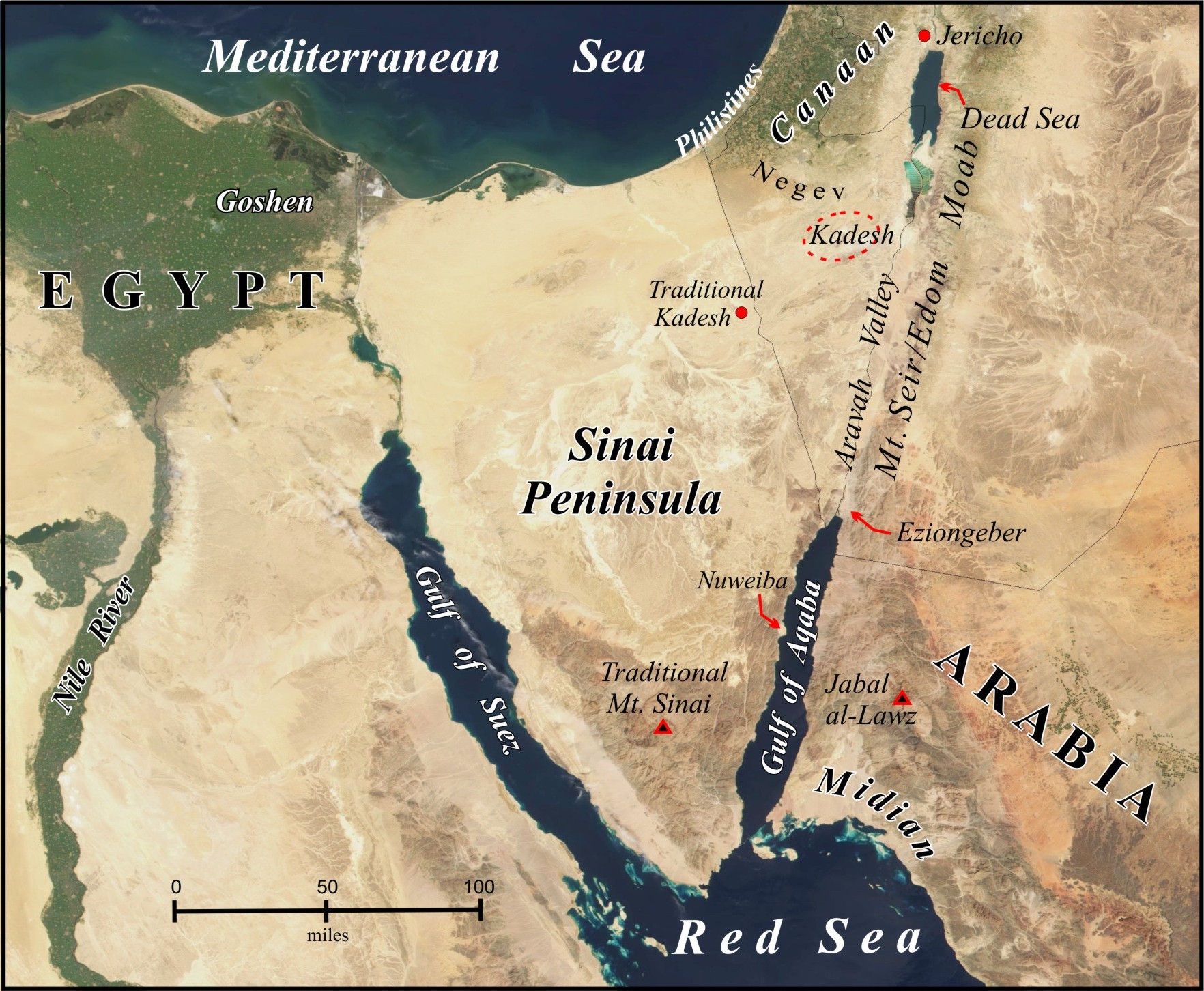
Through the wilderness of the Red Sea
17 God led the people through "the wilderness of the Red Sea" to avoid crossing the land of the Philistines.
21 He went before the Israelites in a pillar of cloud by day and a pillar of fire by night.
The Red Sea crossing
145-6 When the Pharaoh heard that the Israelites left, he got his chariot ready to follow them. 7 He took 600 chariots and chased after them. 21 When the Israelites arrived at the Red Sea, Moses parted the sea and the Israelites walked across on dry land.
24-25 God saw the Egyptians pursue them, so he removed their chariot wheels.
6 Your right hand, O Lord, has dashed the enemy in pieces.
8 You make great floods with a blast from your nostrils.
10 You drown people by blowing with your wind, etc.
The waters of Marah
22 The Israelites resumed their journey but had no water to drink. 23 After three days without water, they came to Marah, where there was water. But it was too bitter to drink.
24 So they murmured against Moses, saying, "What shall we drink?" 25 Moses cried to God, and God showed him how to throw a tree into the water to make it taste sweet.
Questions for Students
In Exodus 3:22, God tells Moses to steal jewels, silver, gold, and clothing from the Egyptians. But in Exodus 20:15, God tells us not to steal. So is it okay to steal when God tells you to?
In Exodus 13:12-13 God says that every male firstborn donkey must be redeemed. And that if you don't redeem it by sacrificing a lamb, you must break its neck. God says that every firstborn son must be redeemed in the same way. So does that mean parents must break the neck of their first born son if they don't redeem him by sacrificing a lamb?
Exodus 14:24-25 says that God took of the wheels of the Egyptian chariots. Did he do that himself or did he have someone else do it for him?